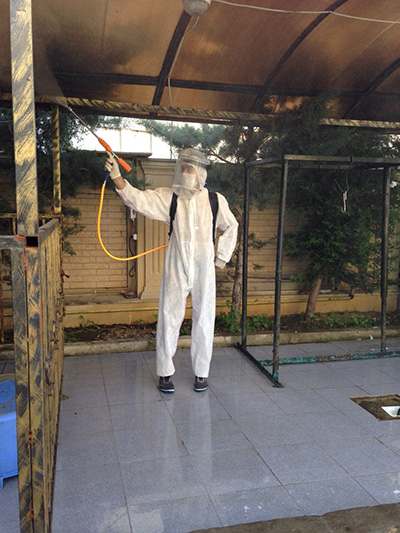
(Greek. Insectum – an insect) — a method and means of struggle used against arthrohoda (insect, tick) which spread infecious diseases and cause a harm to the foodstuffs, agricultural goods as well as residential apartments. They are divided in three groups: methods of natural agricultural and veterinary disinsection methods are directed to prevent the arthrohoda from multiplying (preventive disinsection) and to destroy them quitely (destroying).
The medical disinsection conducted for preventive purposes includes washing of a body very often, cleaning of soft furniture with brushes or a vacuum-cleaner and keeping of dust bins, etc. The destructive disinsection is conducted with chemical, physical and biological methods. The phosphorus organic compounds (including trichlorfon), prietrum, borax and others are used as insecticides for disinsection by the chemical method.
Insecticides are used in the form of solution, dust and aerosol. Disinsection by the physical method is mainly conducted in high temperature. 50°S and higher temperature, hot weather, hot steam and hot water have a mortal effect on the arthrohoda (including louse, flea, bug, etc.). The arthrohoda are killed with certain microbes, viruses and insects during the disinsection by the biological method.